Somebody chose your CRM. It was not a decision anybody remembers making.
Member and donor records are some of the most sensitive data a small organisation holds: who supports you, who their employers are, who they voted for, who they went to church with. It usually lives in a SaaS account chosen by a volunteer in 2017.
Procurement usually starts with a questionnaire
Funder due diligence, insurance, a data protection review by a volunteer who is also the treasurer — the questions are the same every time, and they are the questions a local-first product answers best.
Where is the data stored? On your disk. Who can access it? Whoever has the folder, and FoundrySuite controls access by invitation code within your own installation. Is it backed up somewhere you do not control? No. What happens when you stop paying? Nothing — there is no renewal, and the database is a file you can open.
What you get for the questions
- A one-paragraph data answer. Written down, in the documents that ship with the software, and shorter than the one you have now.
- No third-party AI in the chain. A supporter's name never reaches a model on someone else's server, because the model is on your disk.
- Erasure you can actually perform. Removing a member's record removes it from a database you control. There is no vendor-side retention window to reconcile.
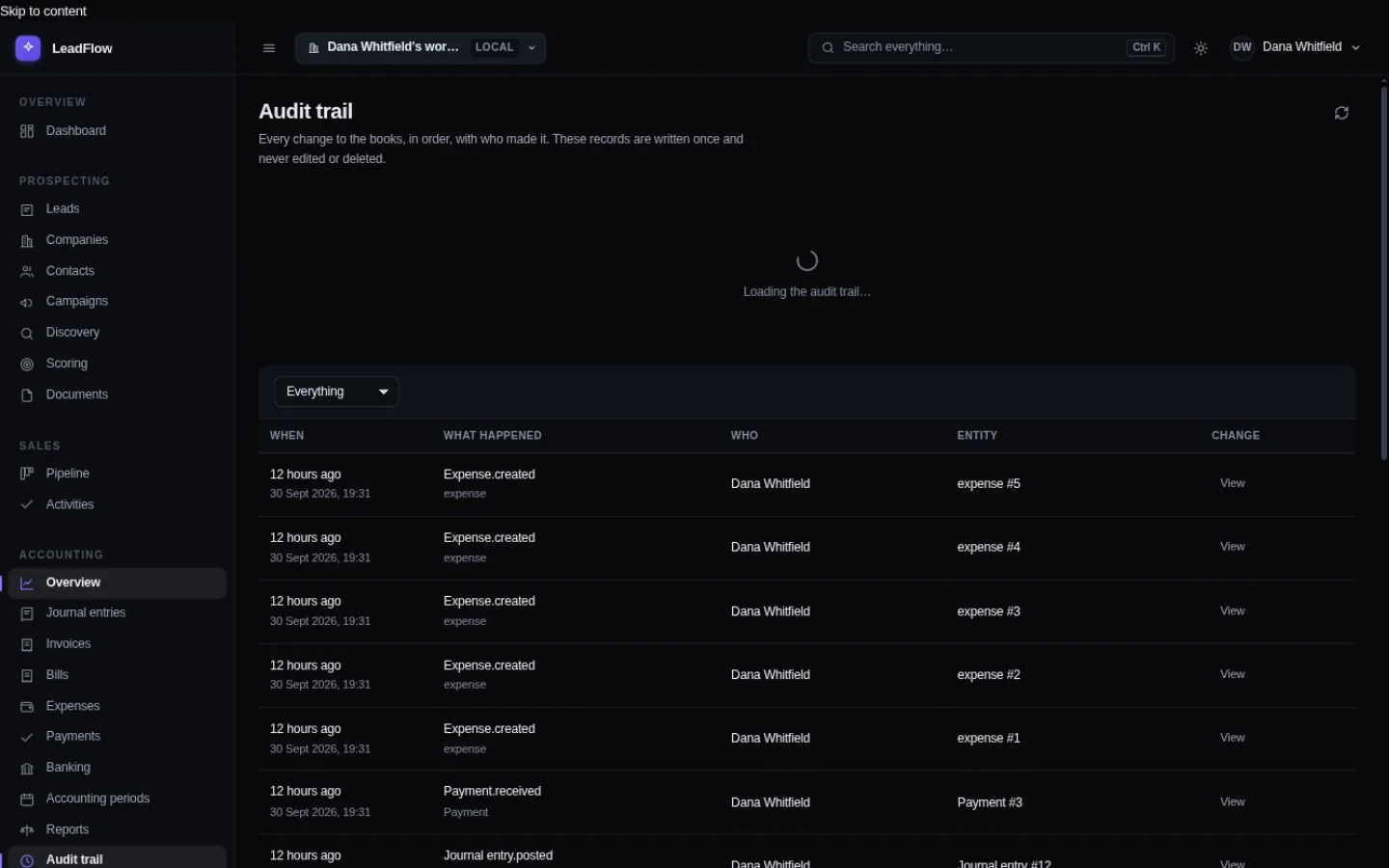
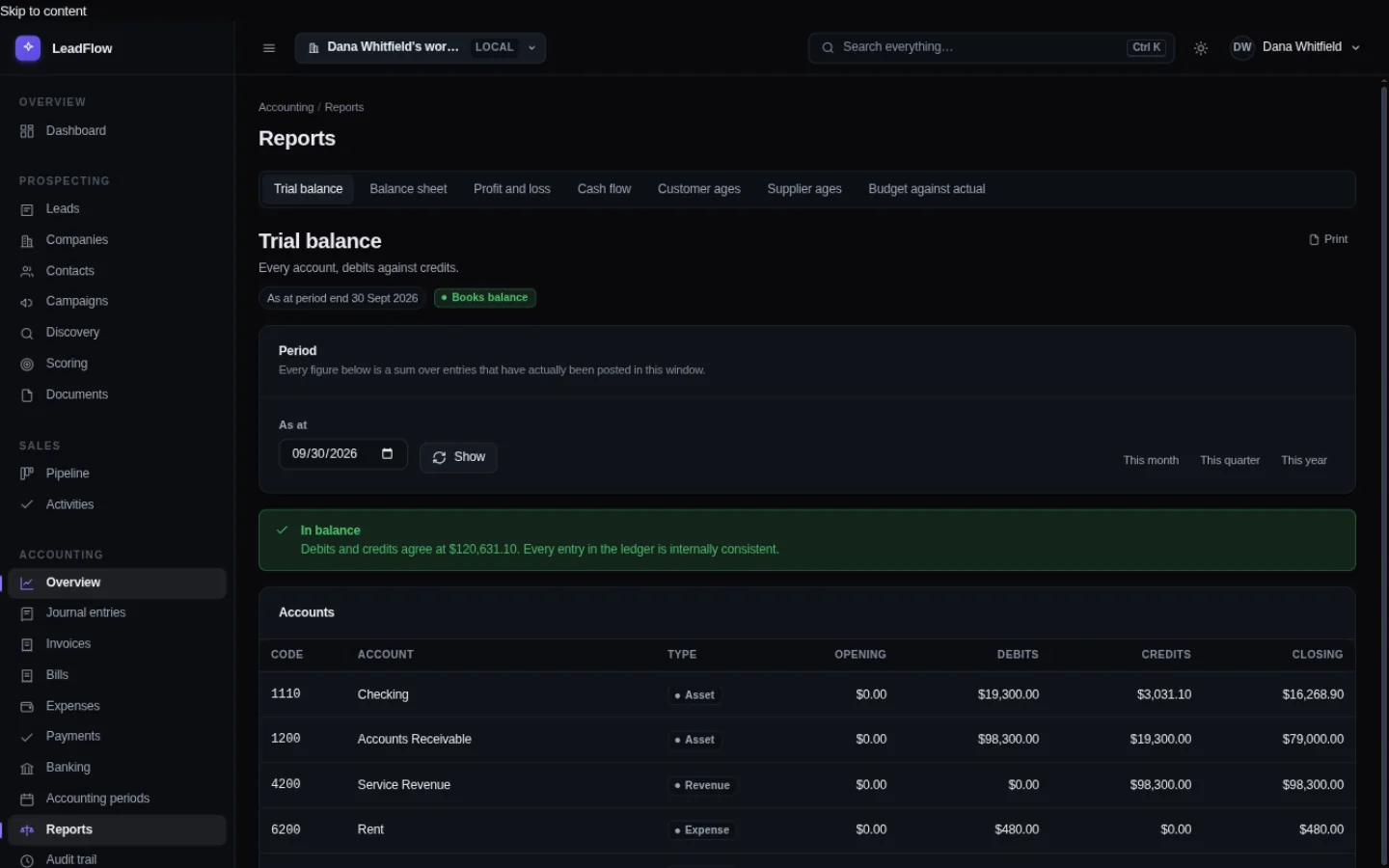
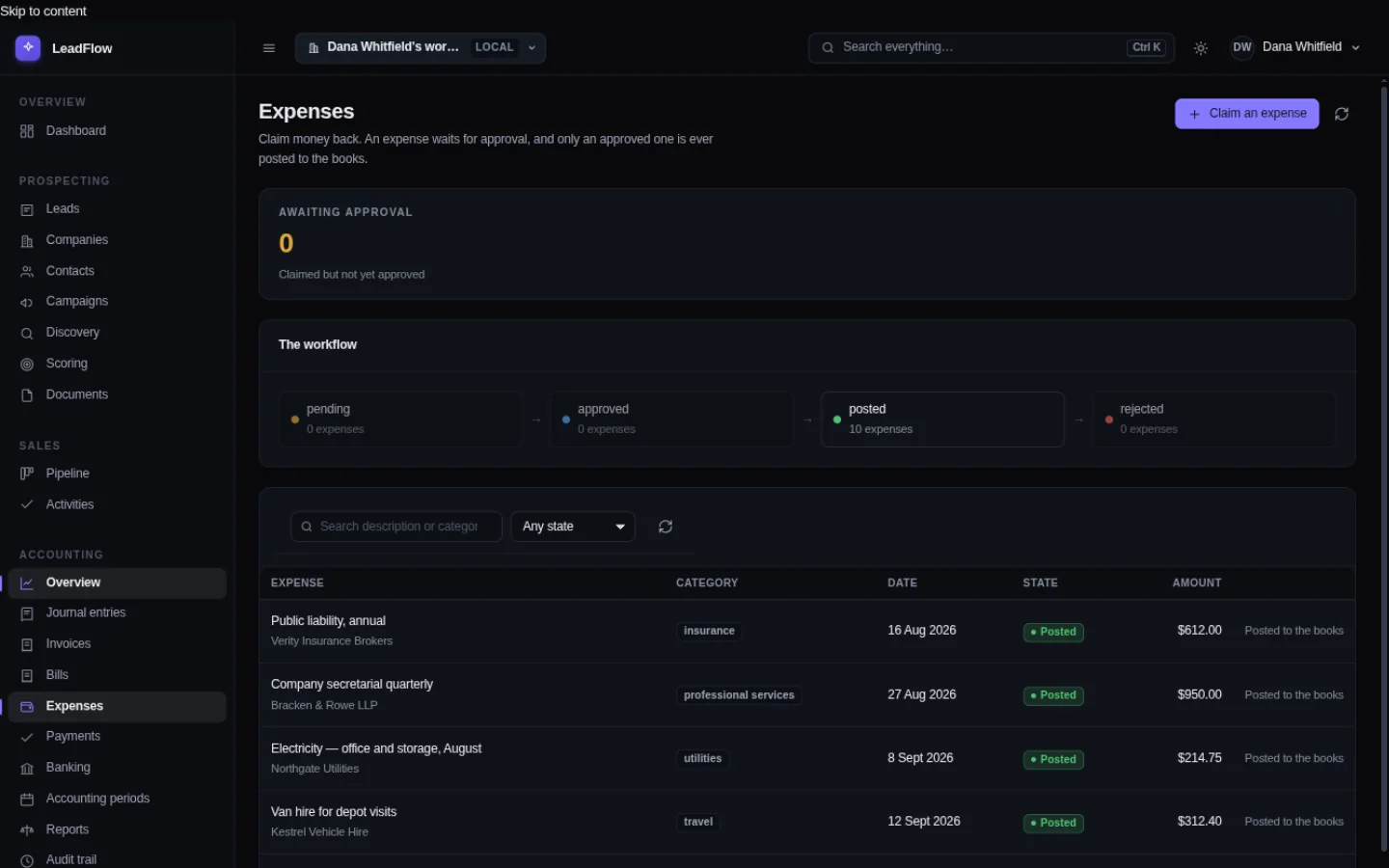
- Money that reconciles. Donations, fees and expenses in a double-entry ledger that balances to the cent — which is the first thing any treasurer wants and the last thing most donation tools provide.
- Grant-ready documentation. Licence, privacy notice, AI facts sheet and a compliance document with an honest list of gaps.
The volunteer problem, which is the real one
Software that only one person understands is one resignation away from being unusable. That argues for a smaller system, not a bigger one.
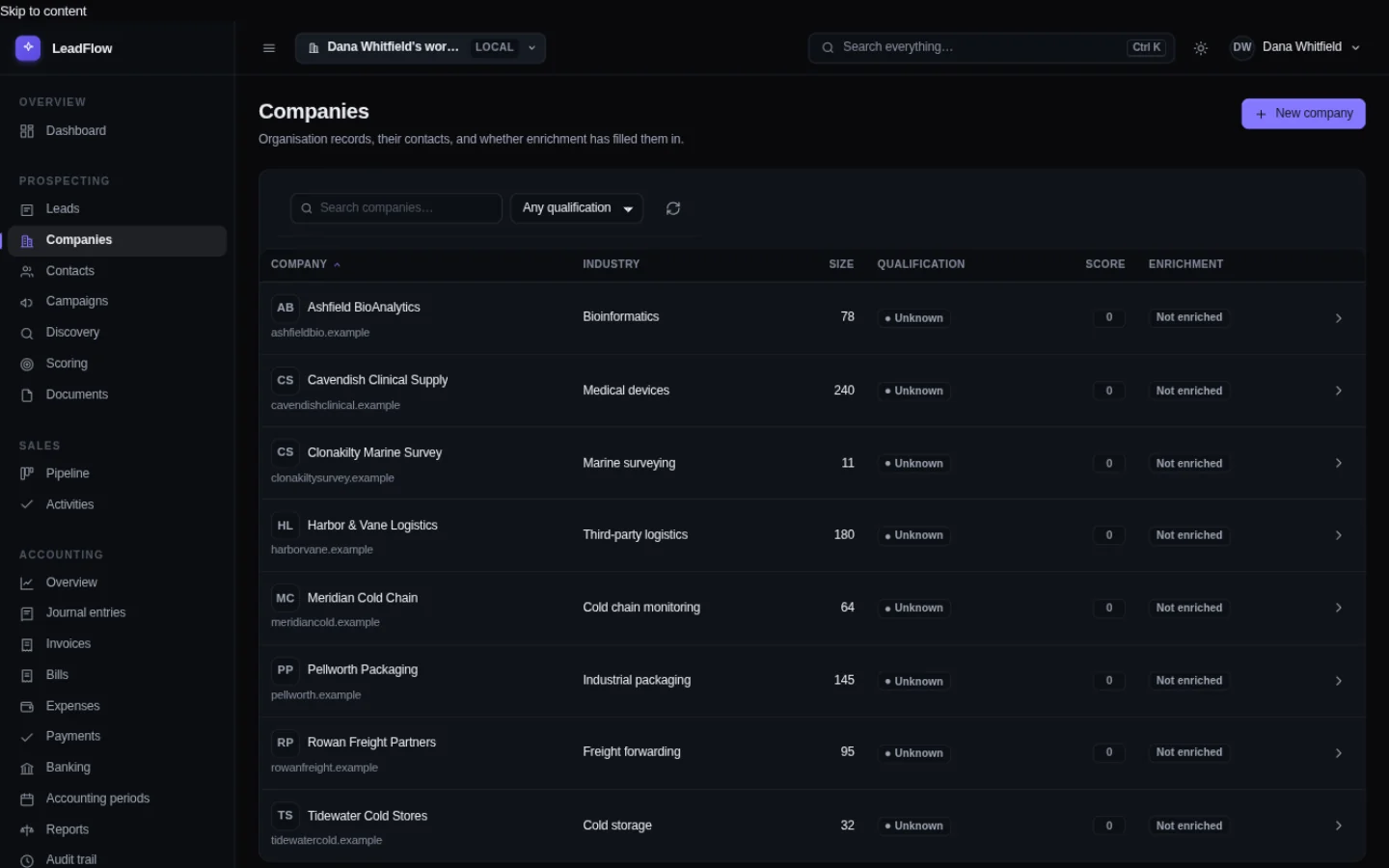
FoundrySuite is one program that does the job rather than five that have to be reconciled by whoever is most patient. Contacts, pipeline, income and expenditure, and the ledger are the same system, which means there is one thing to learn and one set of passwords.
And because there is no seat count in the software, adding a new volunteer or a new trustee is not a procurement conversation. It is an invitation code.
On the AI, for a campaign
Useful for the work that eats a small team's time: summarising a supporter's history, categorising an expense, drafting a fundraising email, reading a grant document and pulling out the deadlines.
Every one of those is a draft, marked on screen as AI-produced, with a person responsible for it — which is also the only way to use a model in a way you could defend to your trustees.
What it cannot do is write to the ledger without passing the same checks, change a member's record without a person confirming it, or send anything.
The part a funder will read
A grant assessor asking how you record money has a short list of questions, and the ledger answers them without a spreadsheet being translated first.
Our treasurer handles this in a spreadsheet.
Many do. The ledger is real double-entry with receivables and payables, so it can replace the spreadsheet — but you do not have to start there. Contact and pipeline records are useful on their own, and the bookkeeping half is there when the spreadsheet stops working.
We are a small team with no IT support.
Then this is one folder and one launcher. It installs privately inside its own directory, deletes cleanly, and needs nothing system-wide. There is nothing to administer, which is a feature when the person who installed it has left.
Is a one-off payment appropriate for a charity?
It depends on your own procurement rules, which we are not in a position to tell you to ignore. What we can say is that there is no renewal to budget for in year two, and the outlay is a known figure rather than a percentage that grows with every member you add.
What if we need something we cannot do?
Then it is not for you and we would rather you found that out during evaluation. There is no managed version, no mobile app, and no support contract with a response time in it.